
Store owners use “blast freezers” to improve food safety, quality, reduce waste – WHYY
The fish must be blast frozen as soon as it’s in the shop to ensure quality, Amar added.
While a typical freezer stores food at 0°F, blast freezers can get as low as -30°F. They also freeze food much faster than a regular freezer, said Jonathan Deutsch, a culinary arts professor at Drexel University in Philadelphia.
“You probably experience that in your home — you put something in the freezer, and you check it an hour later and it’s cool to the touch, but it’s still not frozen solid,” he said. “And there’s nothing wrong with that. But from a food quality perspective, the quicker you freeze something, the better.”
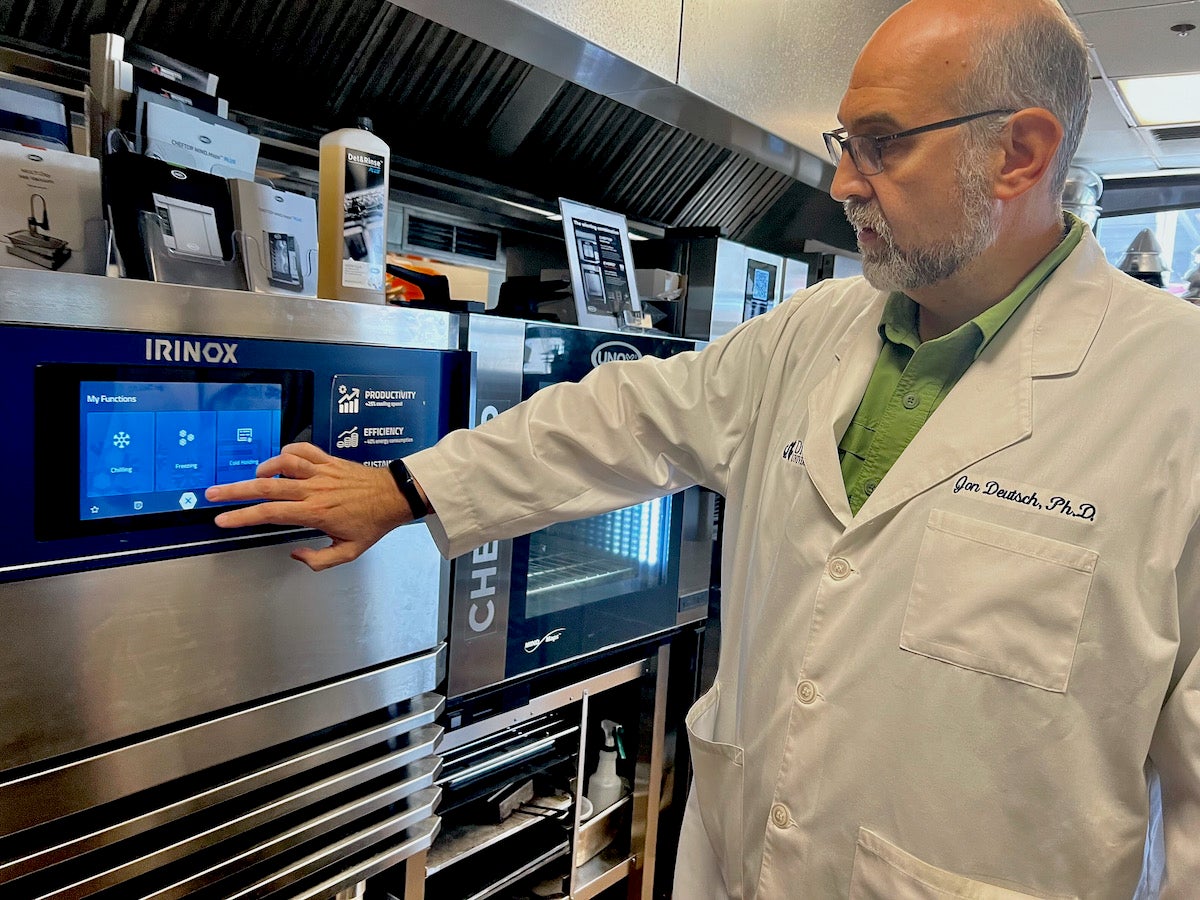
In a blast freezer, Deutsch said, ice crystal formations are smaller, and don’t disrupt the cell wall structure of food. He said that process ensures the food product’s texture remains intact, and preserves the natural properties of the food — improving overall quality.
Most importantly, freezing food to lower temperatures at faster rates improves food safety, Deutsch said. Known as the “danger zone,” bacteria can double in number in as little as 20 minutes when food is between 40°F and 140°F.
“Food, whether you’re talking about fish, meat, fruit, vegetables, is really decaying tissue. It’s cut off from its life source and it’s deteriorating,” Deutsch said. “Sometimes we want to encourage that deterioration. If we’re cheesemaking or something, we want that aging process in that fermentation process to happen. And other times we want to prevent that. What freezing does is it really slows down those chemical and physical processes of that deterioration.”
He said this method of storing food is often preferable to the “fresh” seafood customers may see in grocery stores — a lot of which is previously frozen.
“They’re defrosted at the store because consumers have this idea that somehow refrigerated, quote-unquote fresh is somehow better than frozen,” he said. “And actually, the converse is true, that buying frozen seafood is better from a quality and a safety perspective.”
Blast freezers aren’t only used to store seafood. Pastry chefs use them to preserve the texture of their products, and some chefs use them so they can prepare food for the whole week, said Matt McKenney, who sells blast freezers to businesses and chefs across the Philadelphia region.
In a kitchen at Drexel University, McKenney freezes raspberries to demonstrate the power of blast freezing technology. When he takes the fruit out of the -30°F freezer, they’re hard like rocks.
“What we’re feeling is that the product is hard, but when you press it between your fingers, it crumbles. But it doesn’t crumble into mush,” McKenney said. “Each individual section and each little round segment of the raspberry is distinct.”
McKenney calls it “raspberry caviar.” No juices drip out of the raspberries.
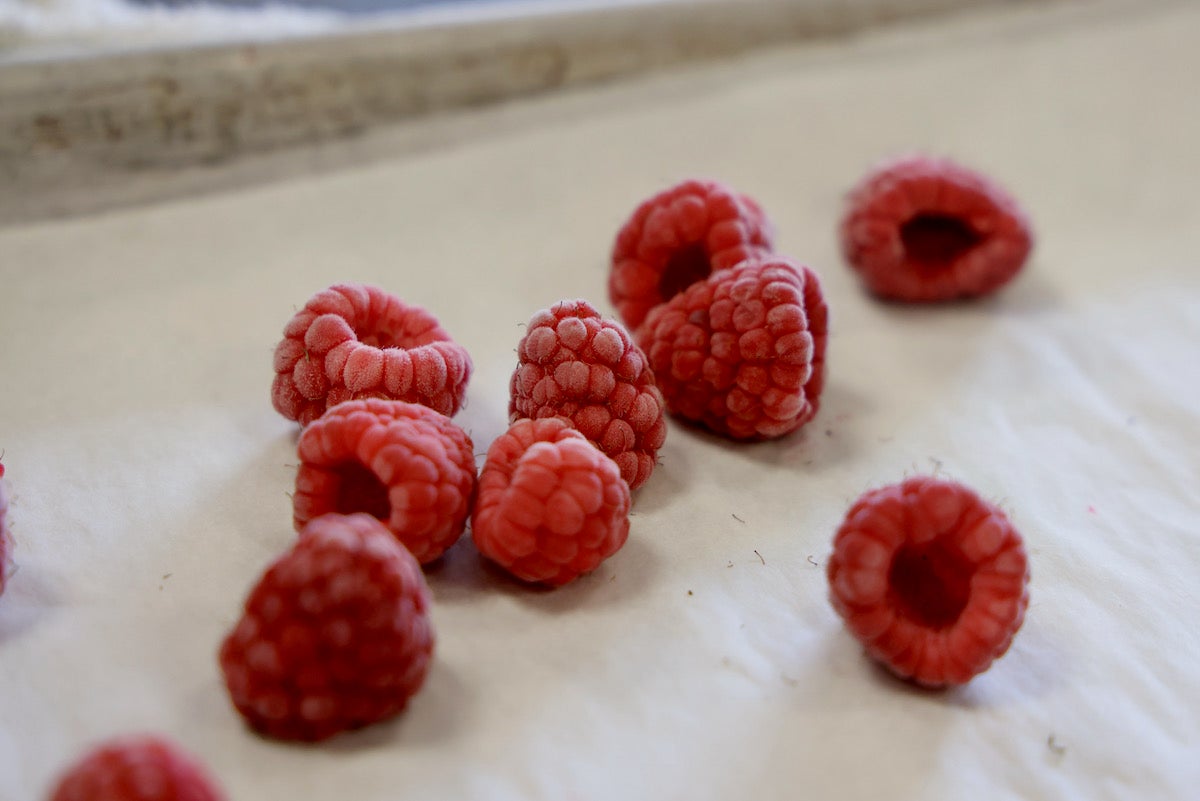
Raspberries placed in a regular freezer lose the liquid that’s normally held in by those cell wall structures, he explained.
McKenney has experimented with blast freezers himself. During the pandemic, he co-founded a blast frozen pizza company called Pizza Freak Co. He said he doesn’t need to use preservatives for his pizza, and describes it as having restaurant quality taste. Customers who buy the blast frozen pizza can store it in their home freezer.
“We often refer to blast freezing food as freezing a moment in time. It’s not going to deteriorate past that,” McKenney said.
These blast freezers aren’t universal yet, however. They can cost thousands of dollars.
McKenney said they’re more common in Europe, which has stricter standards for frozen food.