
Toothbrushes and Showerheads Swarm With Unknown Viruses – And That’s Good News
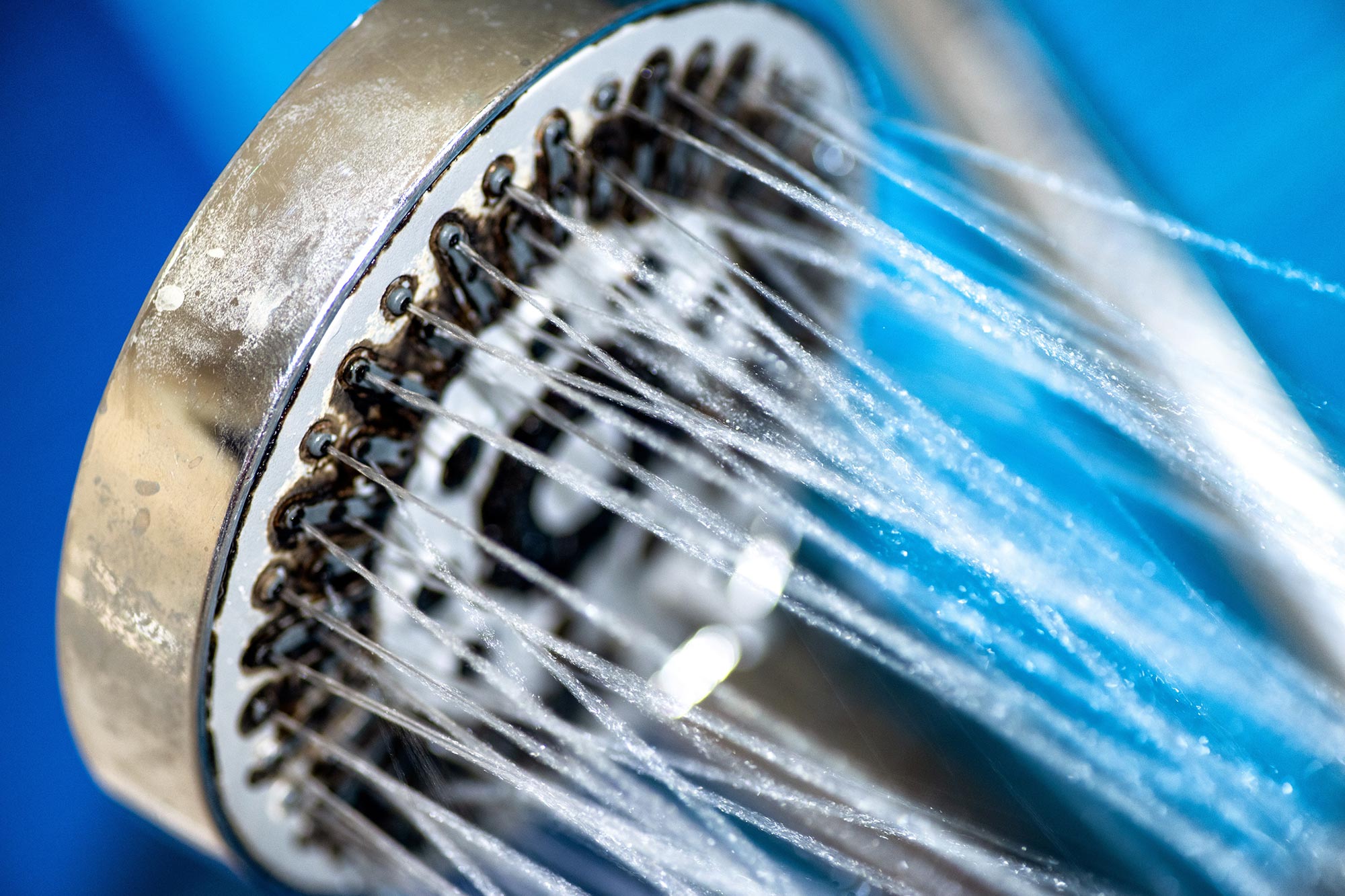
A recent study has found that common bathroom fixtures like showerheads and toothbrushes are teeming with bacteriophages, viruses that attack bacteria, not humans.
This discovery offers promising avenues for treating resistant bacterial infections and underscores the safety of household microbes.
Biodiversity in the Bathroom
Move over, tropical rainforests and coral reefs — the latest hotspot for awe-inspiring biodiversity is closer than you think: your bathroom.
In a groundbreaking study led by attracted significant interest for their potential in treating antibiotic-resistant bacterial infections. The previously unknown viruses lurking in our bathrooms could provide valuable resources for these medical applications.
The study will be published today (October 9) in the journal Frontiers in Microbiomes.
“The number of viruses that we found is absolutely wild,” said Northwestern’s Erica M. Hartmann, who led the study. “We found many viruses that we know very little about and many others that we have never seen before. It’s amazing how much untapped biodiversity is all around us. And you don’t even have to go far to find it; it’s right under our noses.”
An indoor microbiologist, Hartmann is an associate professor of civil and environmental engineering at Northwestern’s McCormick School of Engineering and a member of the Center for Synthetic Biology.
Operation Pottymouth: Exploring Microbial Life Indoors
The new study is an offshoot of previous research, in which Hartmann and her colleagues at University of Colorado at Boulder characterized bacteria living on toothbrushes and showerheads. For the previous studies, the researchers asked people to submit used toothbrushes and swabs with samples collected from their showerheads.
Inspired by concerns that a flushing toilet might generate a cloud of aerosol particles, Hartmann affectionately called the toothbrush study, “Operation Pottymouth.”
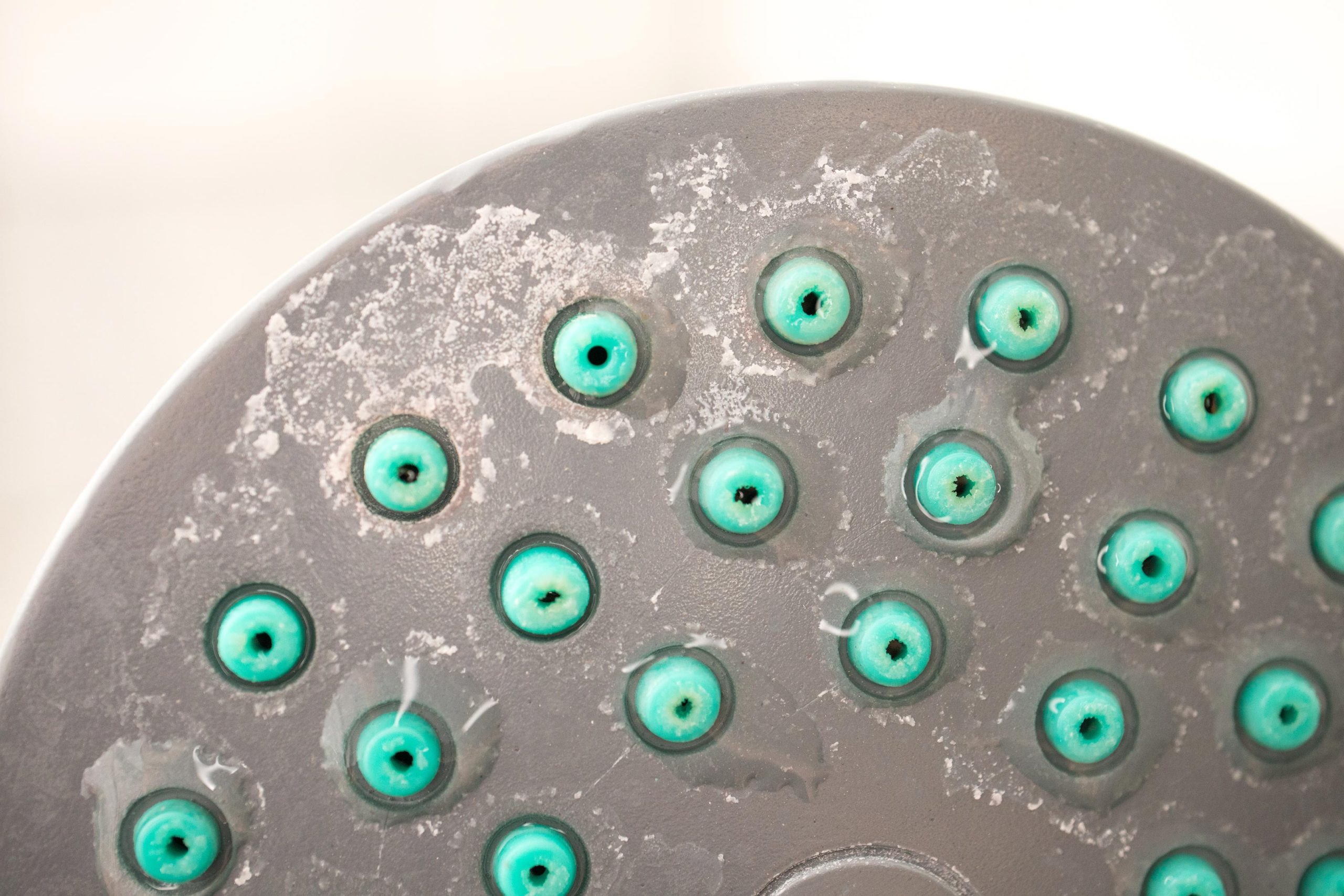
“This project started as a curiosity,” Hartmann said. “We wanted to know what microbes are living in our homes. If you think about indoor environments, surfaces like tables and walls are really difficult for microbes to live on. Microbes prefer environments with water. And where is there water? Inside our showerheads and on our toothbrushes.”
Harnessing Virus Diversity for Medical Innovation
After characterizing bacteria, Hartmann then used DOI: 10.3389/frmbi.2024.1396560