
Ancient Lava Tubes Reveal Hidden Clues to Life Beyond Earth

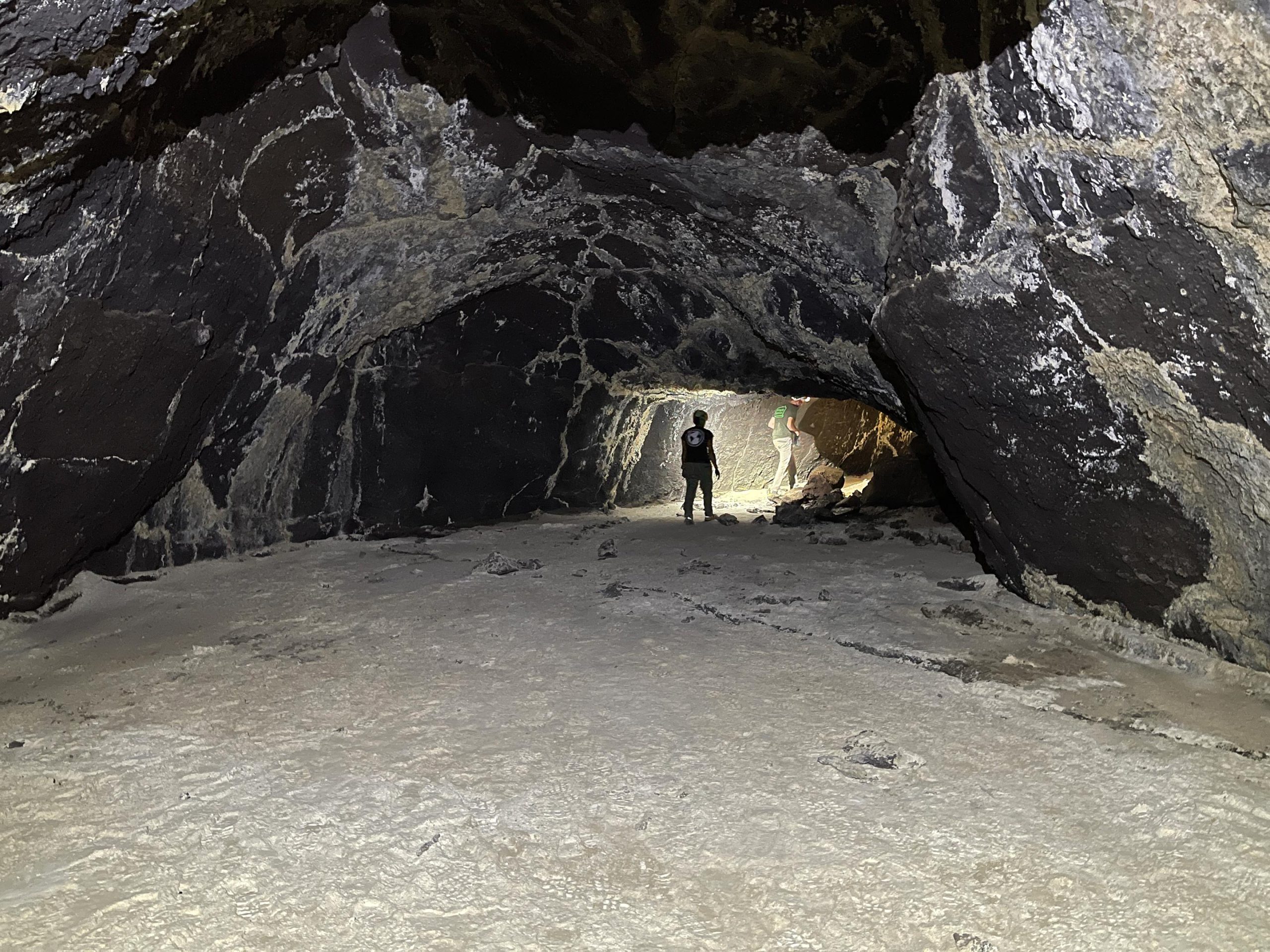
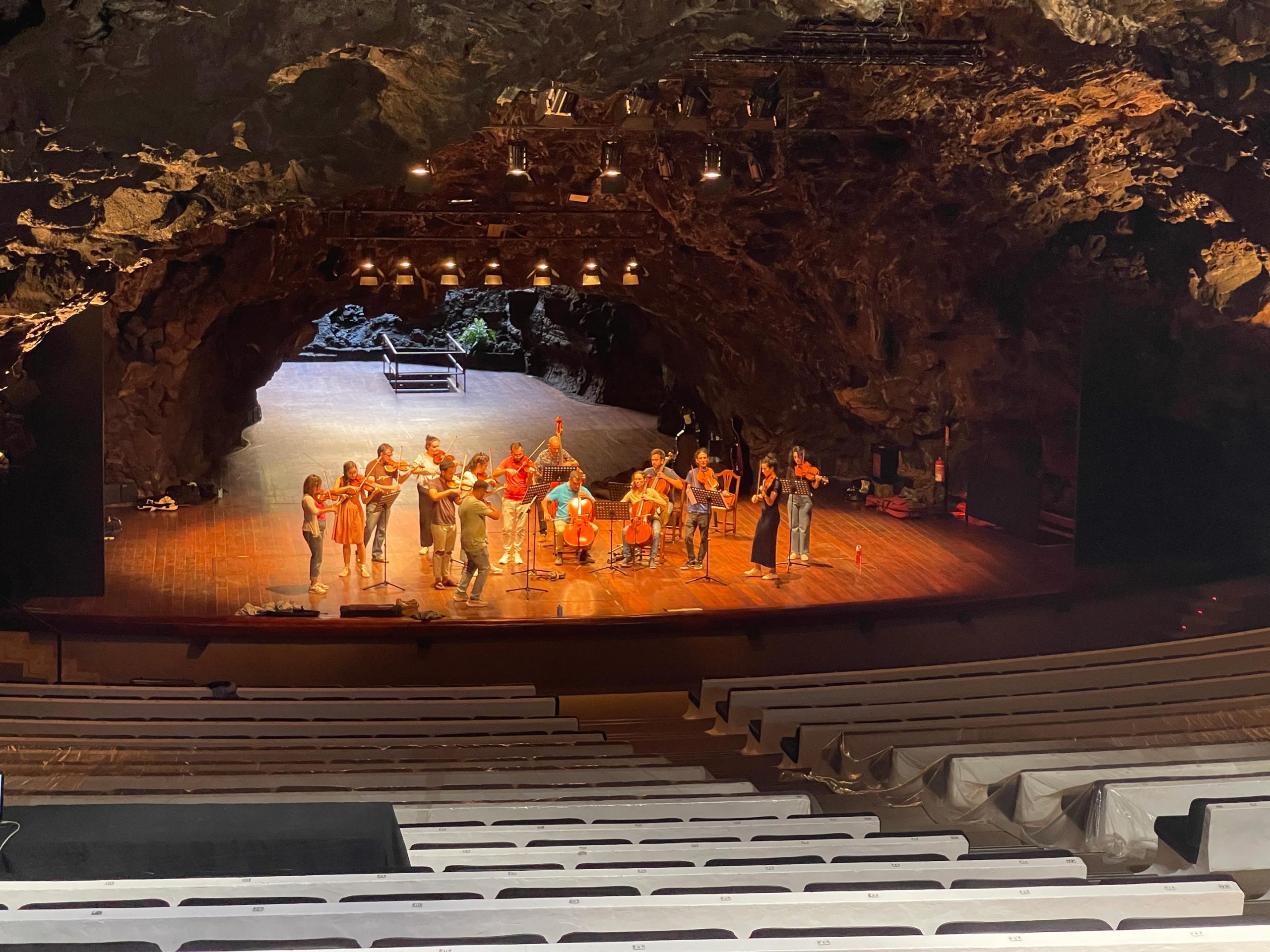
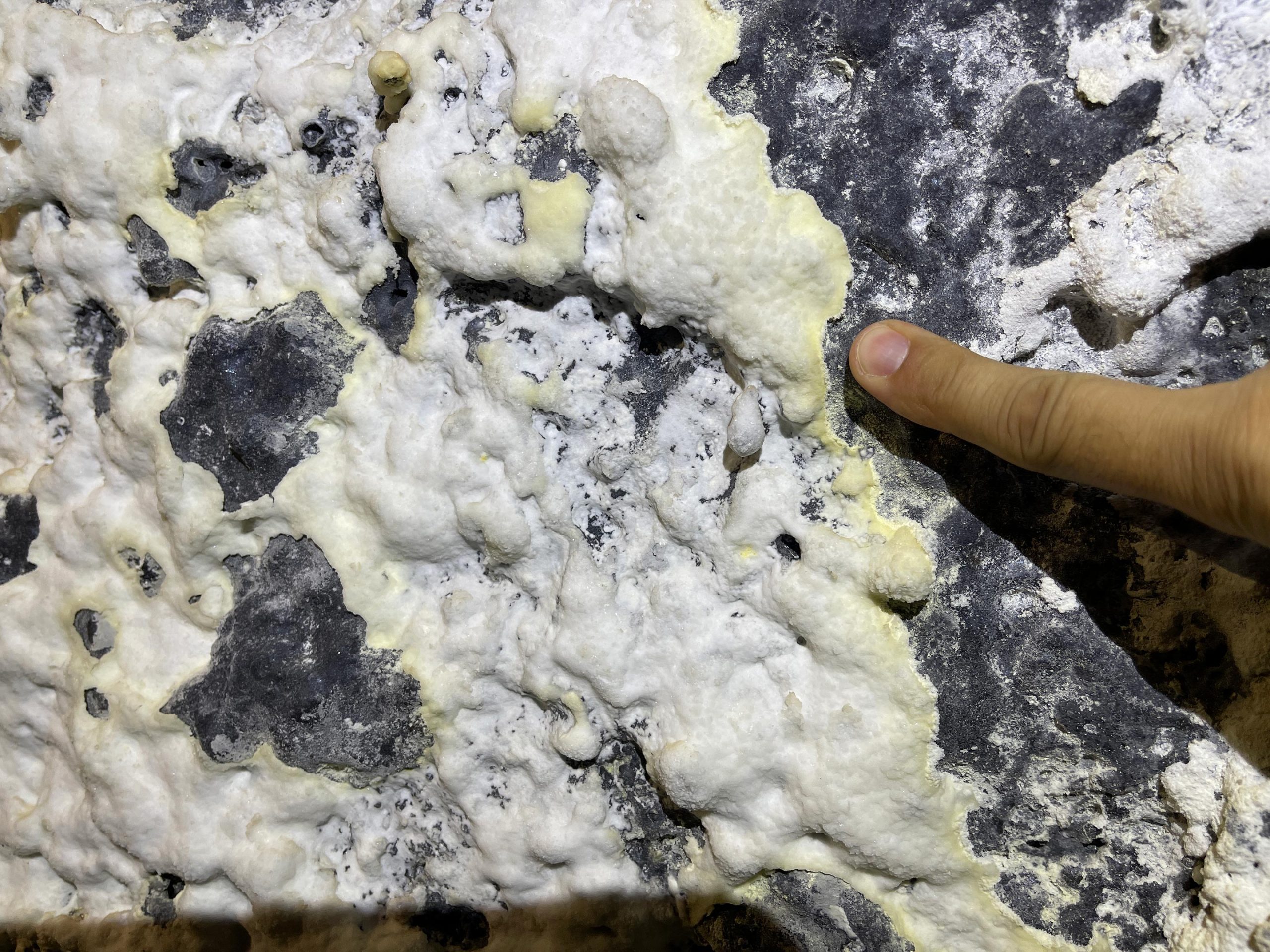
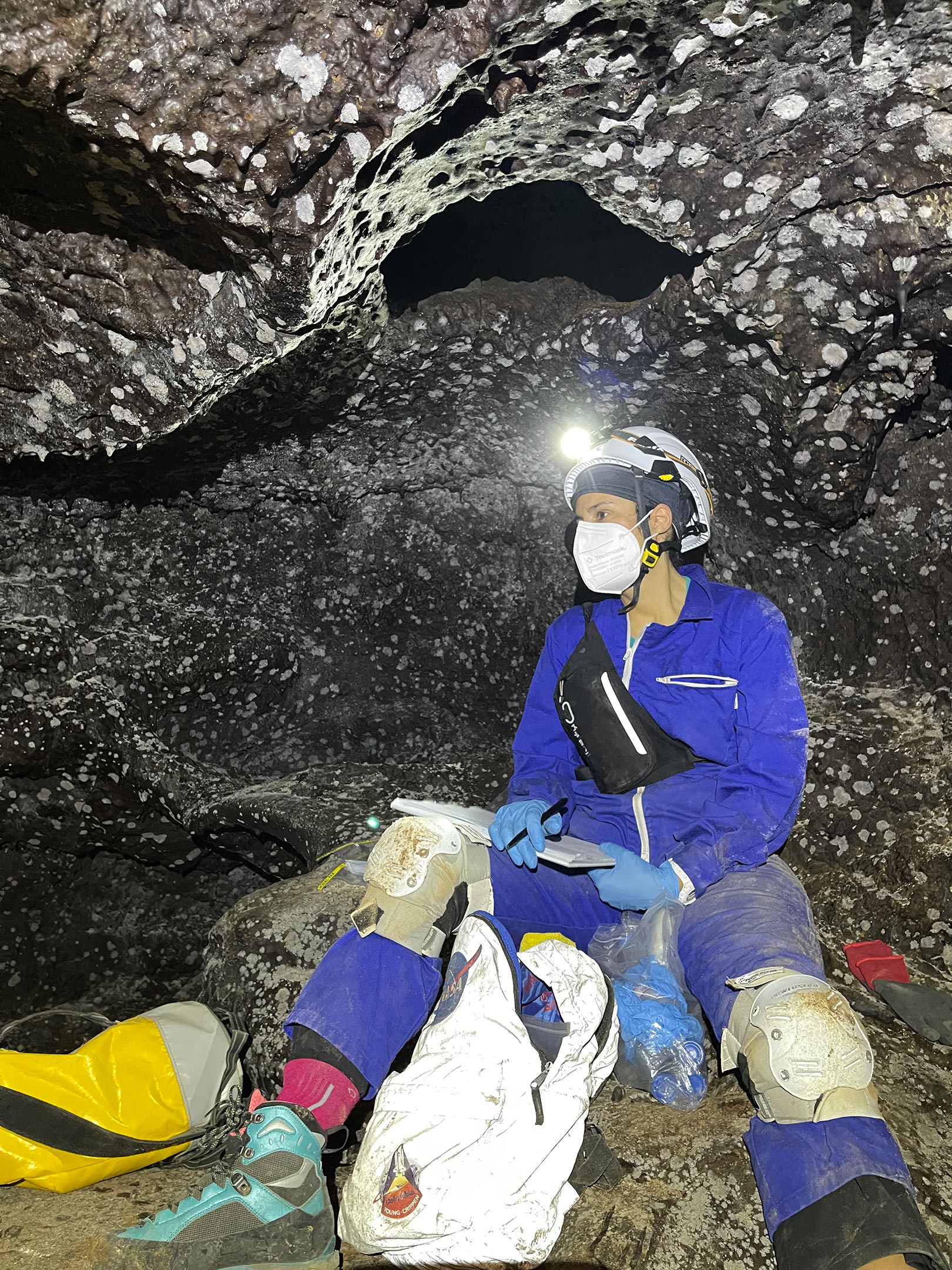
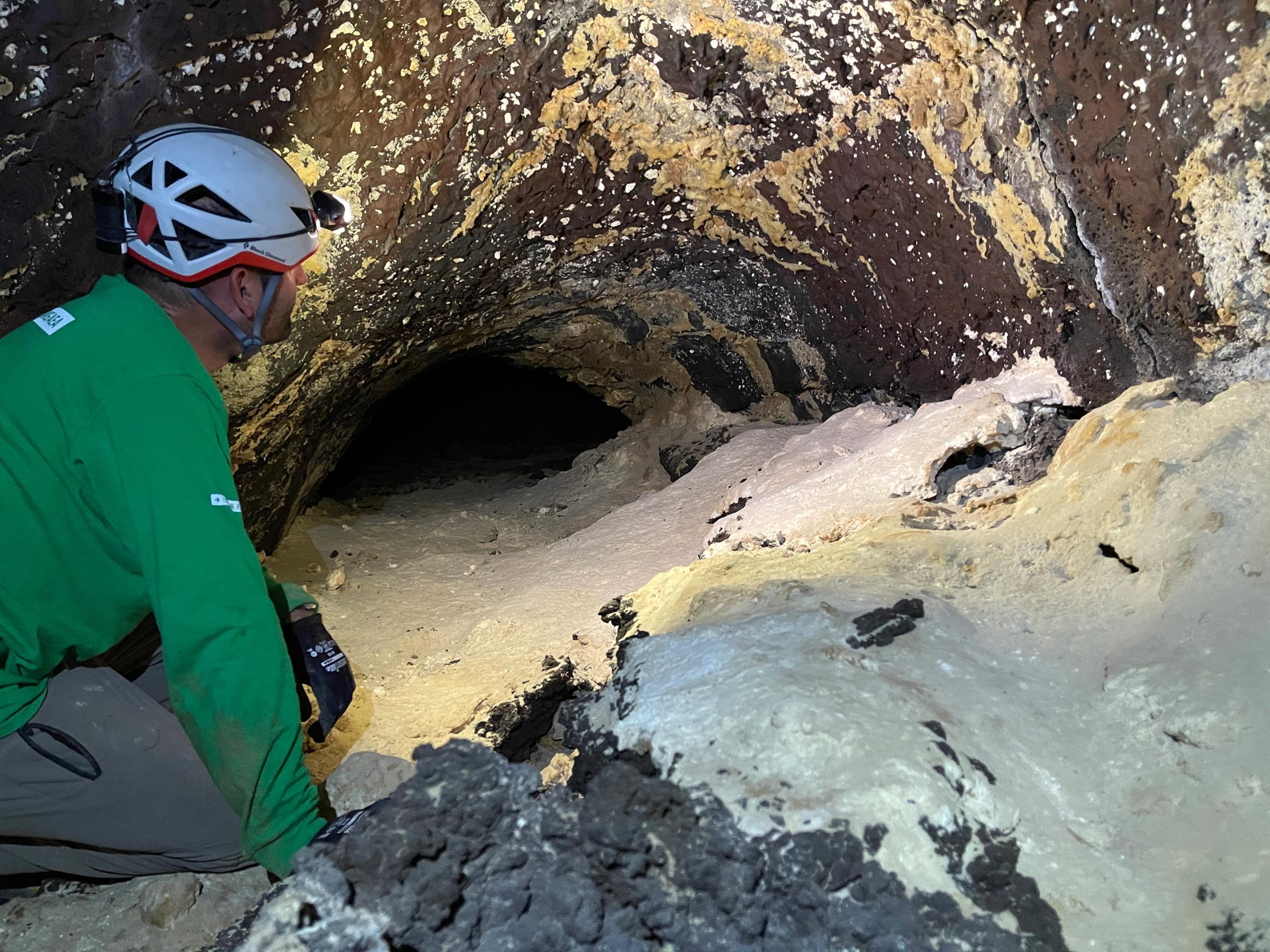
Lava tubes on Earth have been studied for signs of ancient microbial life, providing a model for searching for life in similar structures on In the study, published in Communications Earth & Environment, the team gathered mineral deposits from six lava tubes on the Spanish island of Lanzarote, just west of North Africa. Some of the tubes are so large they are used to host underground concerts. “While the lava tubes on Lanzarote were discovered several years ago, we are the first to complete such a detailed study of minerals and microorganisms,” Onac said. Onac and the team used a range of advanced molecular, isotopic, and mineralogical techniques to examine the deposits and create a comprehensive understanding of the minerals they held. They learned the volcanic rock in the lava tubes created a protective environment that helped shield the minerals and organic compounds from weathering, ultimately preserving the minerals as records of past ecosystems. The team found preserved biosignatures, including calcium and sodium sulfates. This discovery indicates microbial activity and microorganisms, such as bacteria, were once active in the caves. “This study adds to our understanding of geological and environmental changes on Earth and highlights lava tubes as potential refuges for microbial life, holding significant implications for astrobiology, particularly in identifying biosignatures on Mars and other celestial bodies,” Onac said. Given that Martian lava tubes are similarly shielded and likely contain sulfate-rich minerals, they may also hold signs of past microbial life, giving us clues about potential life beyond Earth. The findings may significantly impact the way scientists approach planetary exploration, particularly for upcoming missions aimed at studying the habitability of Mars. The team will publish several additional studies on these lava tubes in the coming months, and they are also planning to examine newly formed lava tubes in Iceland. Reference: “Decoding organic compounds in lava tube sulfates to understand potential biomarkers in the Martian subsurface” by Vera Palma, José María De la Rosa, Bogdan Petroniu Onac, Francesco Sauro, Jesús Martínez-Frías, Ana Teresa Caldeira, José Antonio González-Pérez, Nicasio Tomás Jiménez-Morillo and Ana Zélia Miller, 28 September 2024, Communications Earth & Environment.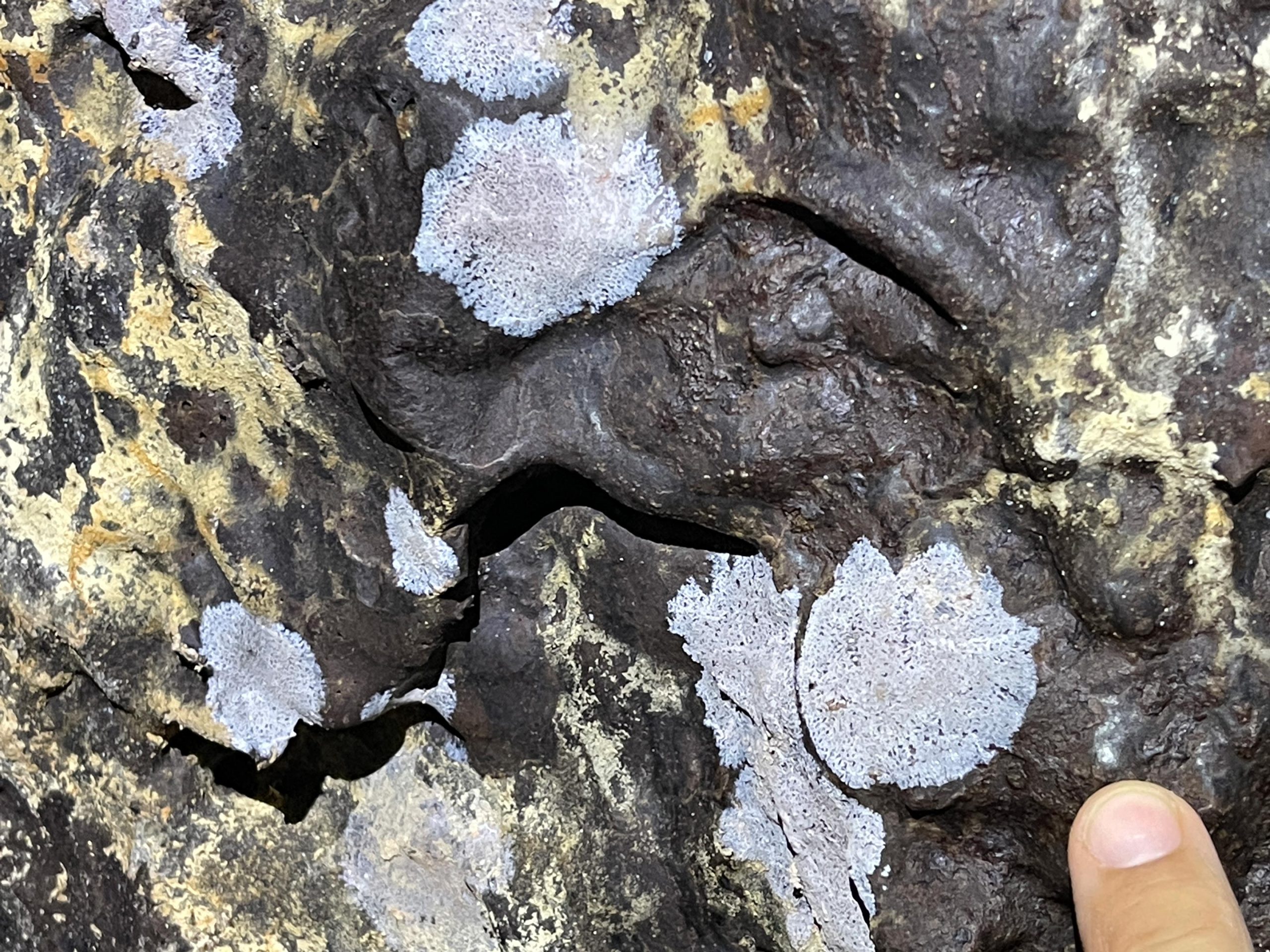
Detailed Mineralogical Studies on Lanzarote
Implications for Astrobiology and Planetary Exploration
Future Research and Martian Analogues
DOI: 10.1038/s43247-024-01673-4