
Pistachio mooncakes are the latest iteration of the viral Dubai chocolate trend | CNN
Hong Kong
—
The dessert-stuffed Dubai chocolate bar, of viral TikTok fame, has seen many imitators.
Its chocolate snap and pistachio-pastry crunch has inspired everything from milkshakes to croissants.
Now, Hong Kong-based Conspiracy Chocolate is reimagining it again: this time, as a mooncake.
The bean-to-bar brand, launched by chocolate-obsessed couple Amit Oz and Celine Herren in 2018, has produced mooncakes before that more closely resemble the traditional Chinese treat, which is typically made with sweet lotus seed paste and savory salted duck egg yolk in a soft pastry casing.
But this year, the duo wanted to do something more fun and accessible.
Over four months, Conspiracy Chocolate developed its own version of Dubai-based FIX Dessert’s knafeh-filled chocolate bar, which it says is less sweet and removes the tahini for a more concentrated pistachio flavor in its homemade nut paste.
While taking a creative approach to flavors and textures, Oz and Herren wanted to create a product that pays homage to the original mooncake, which dates back more than 1,000 years, and is an integral part of the Mid-Autumn Festival in many Asian households. For example, in the center of the mooncake, a ball of raspberry jam encased in dark chocolate offers a tart contrast to the richer flavors and echoes the symbolic full moon traditionally represented by the salted egg yolk.
“It has a lot of tradition behind it, and we really need to respect mooncake tradition,” says Oz.
Conspiracy Chocolate isn’t the only one tapping into the trend: Hong Kong dessert-makers Dulce Vida and Soulgood Bakery are also offering Dubai chocolate-inspired Mid-Autumn products.
“We heard that people are not really spending that much in the mooncake market,” says Anjaylia Chan, founder of Soulgood Bakery. Mooncake sales have fluctuated over the past decade, and after a post-Covid recovery, fell by 9% in 2024. “But at the same time, for our brand, our positioning is to always innovate.”
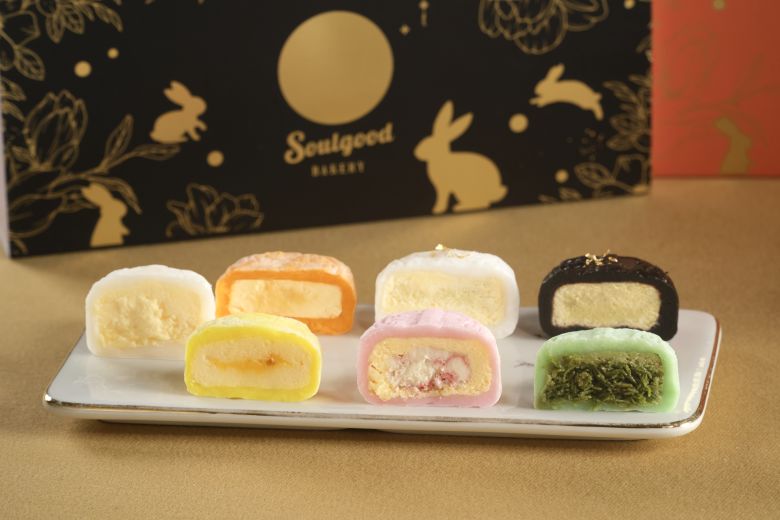
Soulgood Bakery has sold traditional mooncakes in the past, but like Conspiracy Chocolate, decided to create something more distinctive. Its Basque cheesecake mooncake comes in seven flavors, including Dubai pistachio. “We want to excite our customers,” Chan adds.

Major hospitality brands in the region are getting in on the action too, including the Mandarin Oriental Kuala Lumpur with a Dubai chocolate mooncake, Singapore Marriott Tang Plaza Hotel’s sea salt chocolate with pistachio kunafa praline flavor, and a kunafa pistachio chocolate version by the Four Seasons Hotel Singapore.
Novel flavors “spark curiosity” and generate excitement, but “traditional mooncakes anchor the season,” Summer Lo, director of food and beverage at Four Seasons Hotel, Singapore, told CNN in an email.
While not everyone is naming Dubai chocolate as their inspiration, dozens of mooncake manufacturers are incorporating pistachio into their offerings this year: from Häagan-Dazs, pioneer of the ice cream mooncake, to Maxims, one of Hong Kong’s best-selling mooncake brands.
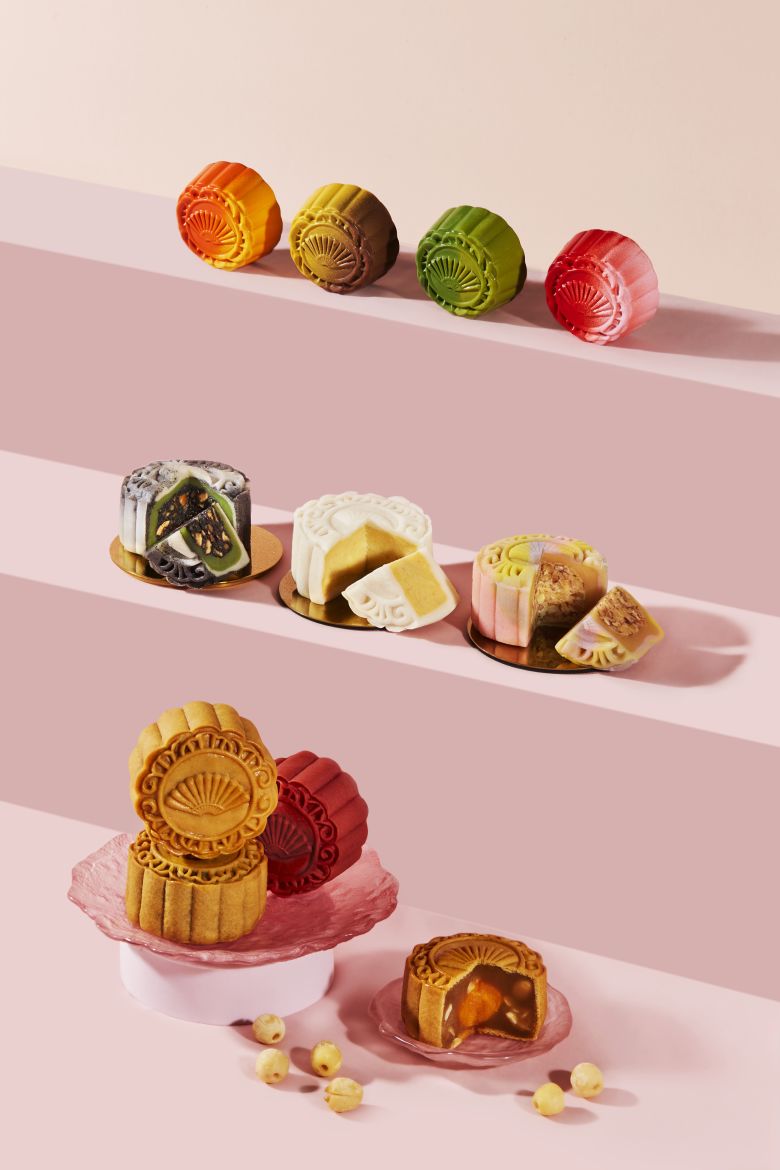
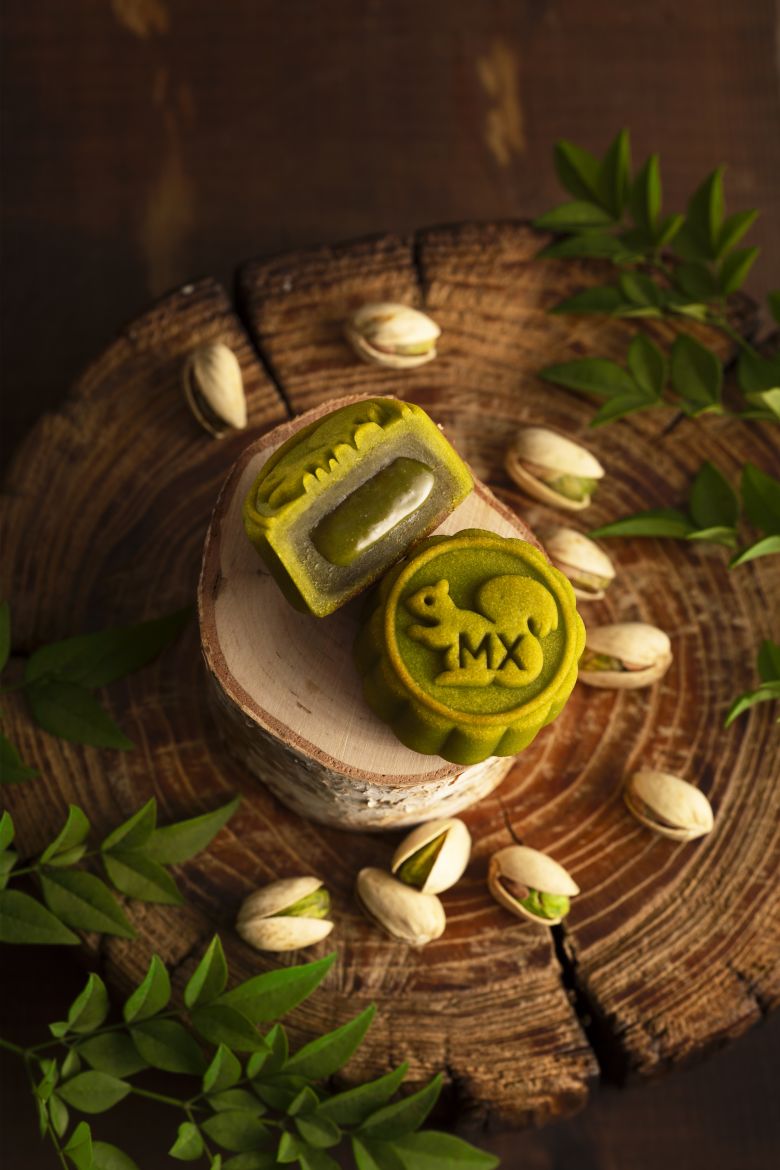
Every year, brands take inspiration from trending foods to create alternative, buzzy versions of the traditional treat for “variety-seeking customers,” says Mandy Hu, an associate professor at the Chinese University of Hong Kong (CUHK), and director of its Center for Consumer Insights.
Trending flavors rarely replace traditional ones in this billion-dollar industry, but add excitement and attract new, especially younger, consumers, says Hu. Social media offers a quick way to read the room and could help new brands break into a crowded market where legacy manufacturers often dominate in the traditional flavors, she adds.
“If you want to stand out from the rest of the competitors, you need to offer something different,” says Hu.
Earlier this year, German courts ruled that anything branded “Dubai chocolate” has to actually come from Dubai to avoid misleading customers. The demand for the chocolate has become so extreme that there are now fake versions of imitators appearing: last month, counterfeits posing as the copycat knafeh bar by Arabic sweet maker Le Damas were found in British supermarkets and recalled by the UK Food Standards Agency.
Sarah Hamouda, co-founder of FIX Dessert Chocolatier, says that while she has concerns about products that exploit their brand in an attempt to scam people, she loves seeing how companies and individuals around the globe are taking creative approaches to the trend.
“I especially love seeing people try the Middle Eastern flavours of knafeh and pistachio for the first time, and how these traditional ingredients are transformed in each new country and recipe,” Hamouda told CNN in a written statement. “We’ve seen everything from ‘Dubai Chocolate’ inspired cannolis in Italy, to stroopwafels in the Netherlands and mooncakes in Malaysia.”
There can be downsides to jumping on the bandwagon, though. In April, The Financial Times reported a 34% year-on-year increase in pistachio prices, despite a 7% increase in production according to the United States Department of Agriculture, in part driven by growing demand for Dubai-style chocolate and related products.
Conspiracy says it hasn’t felt the crunch, though. “The nut itself has not increased that much. What increases is the pistachio paste, because most of the people who try to recreate Dubai Chocolate will buy the pistachio paste,” which Conspiracy makes in-house, says Herren.
The small factory aims to produce around 2,000 mooncakes over the season, which retail for HK$536 ($69) for a box of four, until the end of September.
While it’s a seasonal product, Conspiracy says its pistachio mooncakes are about more than just buzz.
“I think if what we wanted was to ride the trend, we would have done it a year ago when it was peaking. We purposely did not,” says Oz. “Beyond it being a trend, it’s something people like, and it’s good — and credit where it’s due, they [FIX Desserts] had a good idea.”